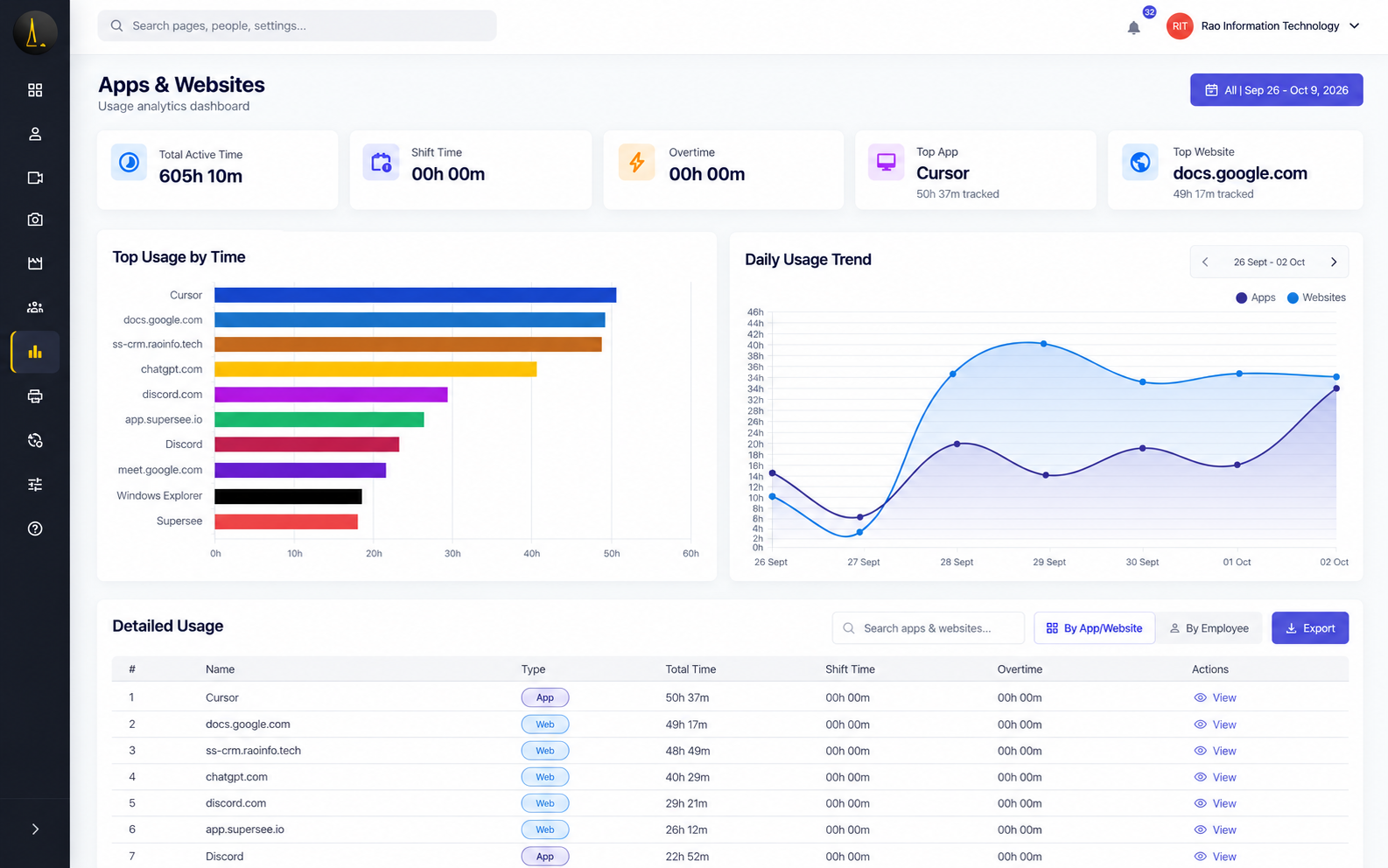
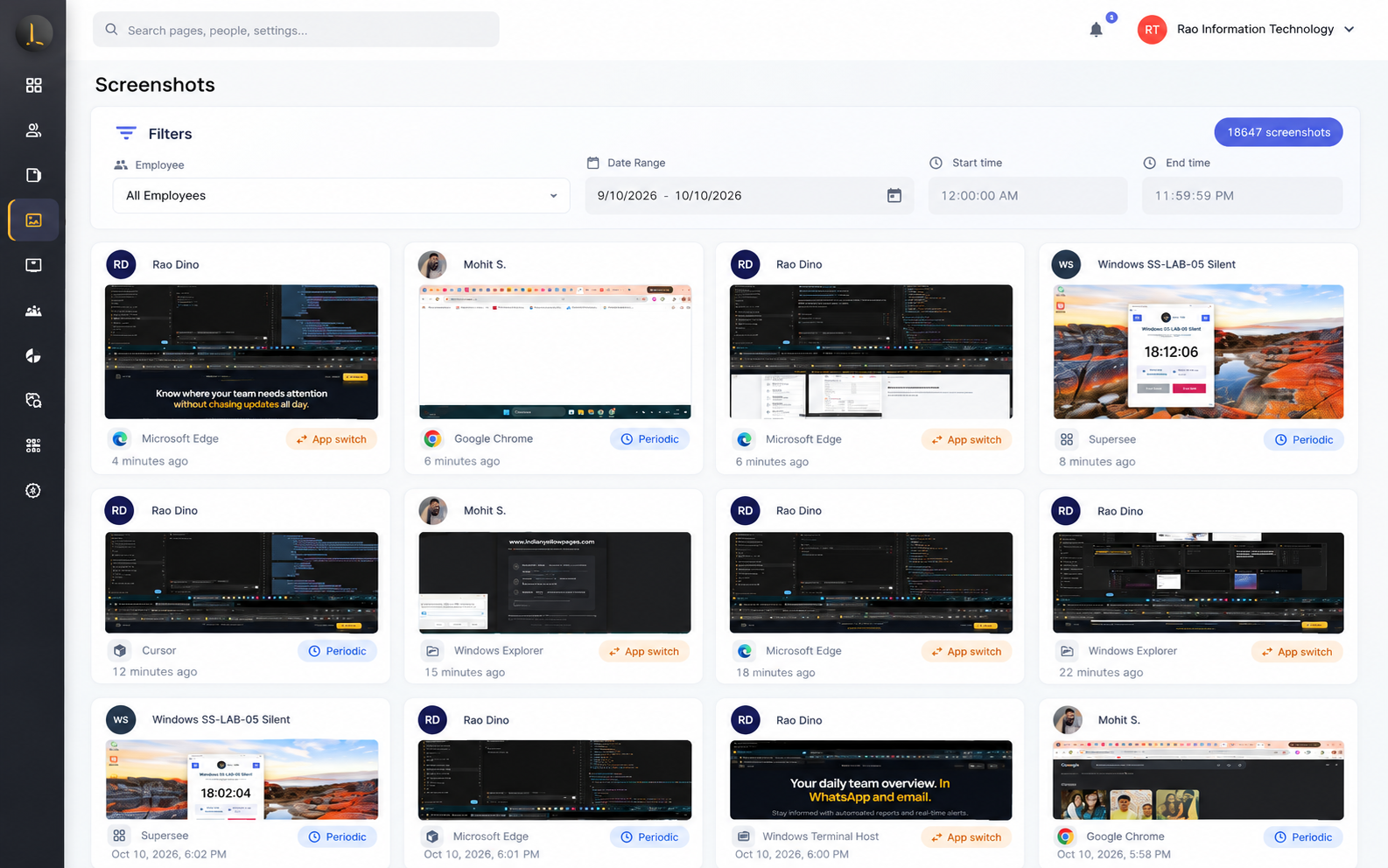
Analyze overall team productivity trends
Compare productivity patterns across weeks and departments. See active hours, neutral time, and focus ratios to understand overall progress and build data-backed project plans.
Outcome: data-backed weekly reviews and resource planning
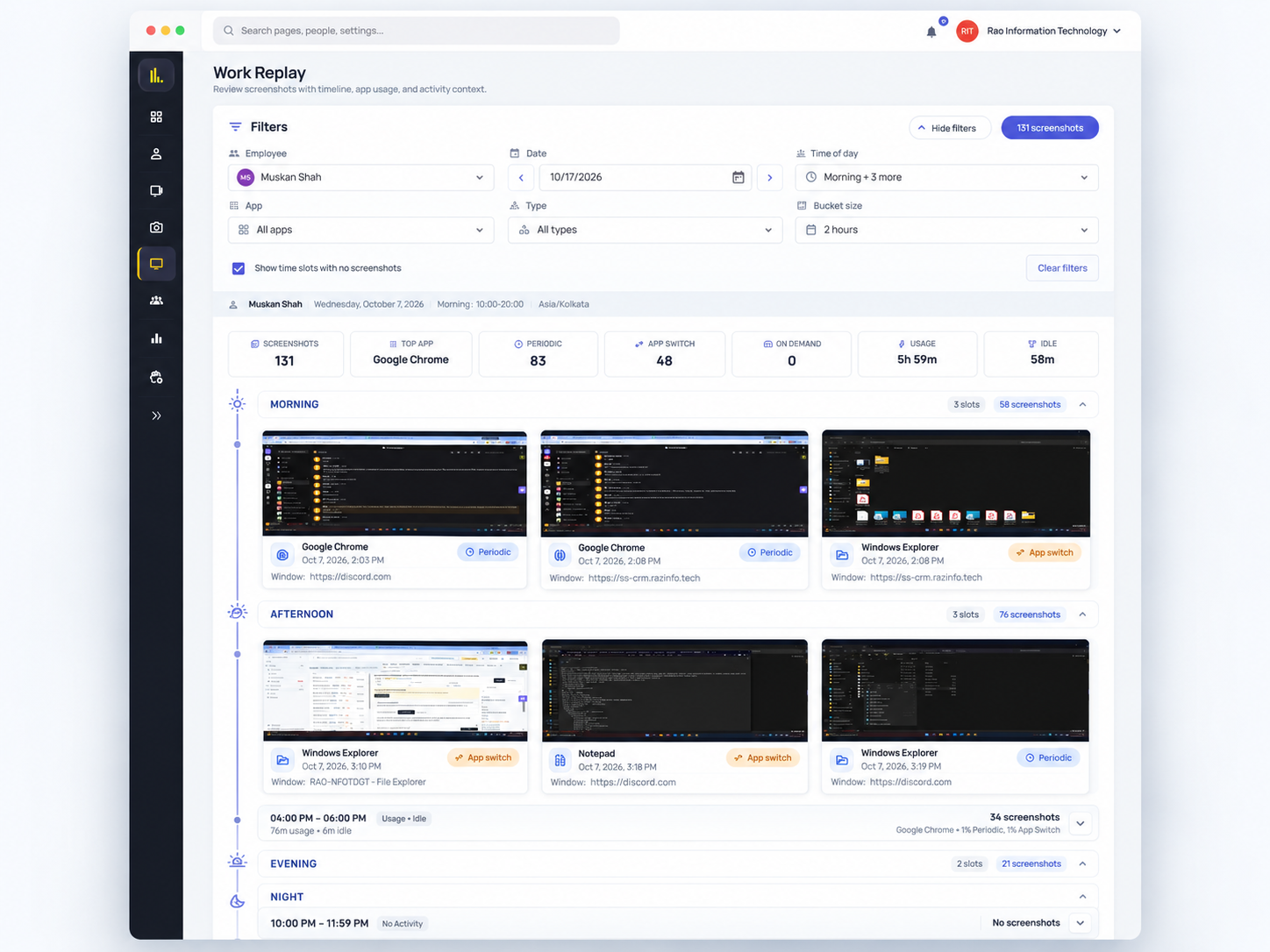
Understand daily focus and work rhythms
Review detailed day-by-day activity timelines to see when focused work happens. Compare work blocks, meetings, and breaks to keep schedules balanced.
Outcome: workload balance and fatigue prevention
Identify support and training opportunities
Spot changes in active focus and identify tools or processes causing friction. Provide supportive, context-aware coaching rather than relying on guesswork.
Outcome: focused support instead of assumptions
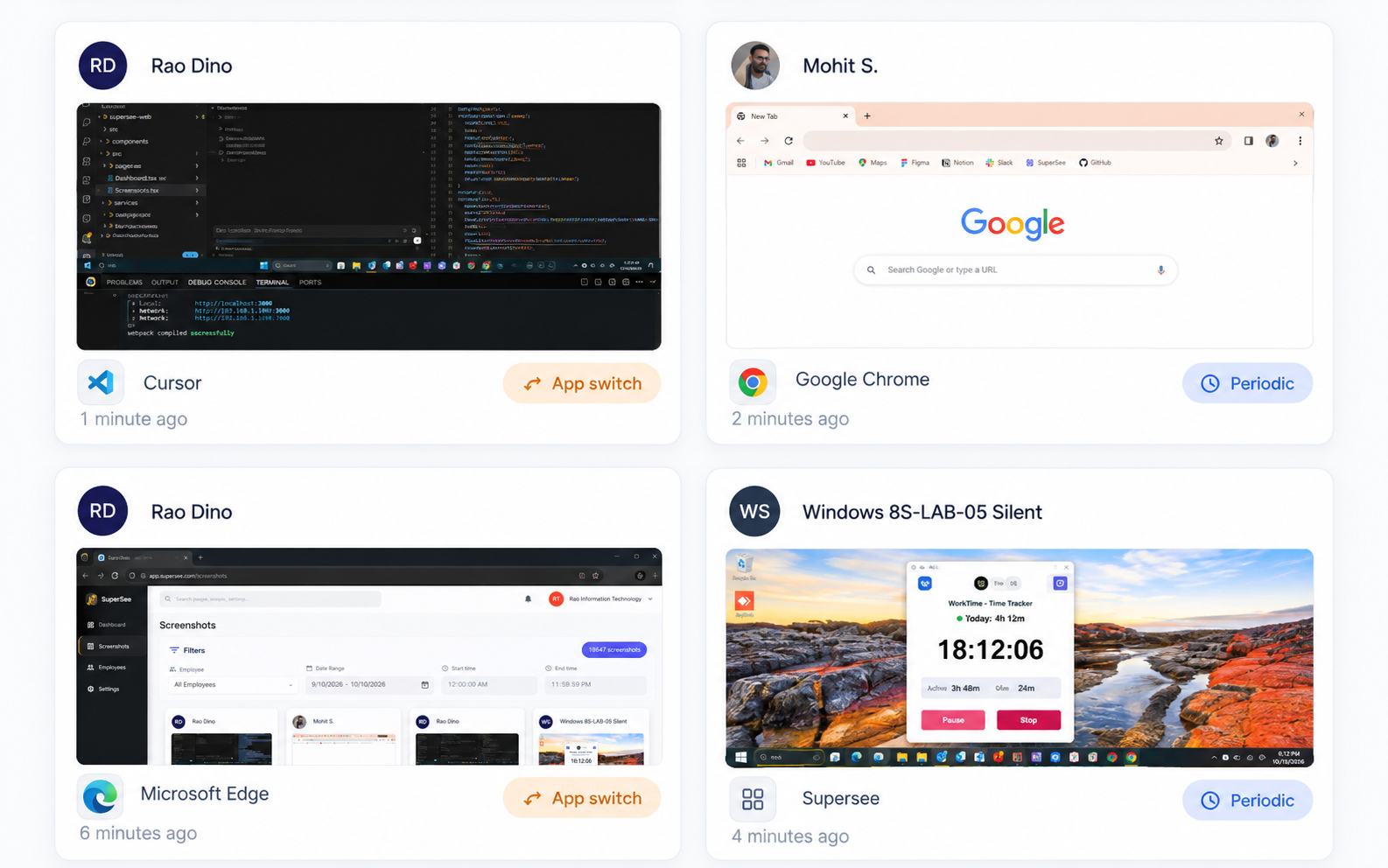
Bring objective context to reviews
Review verified work context and deep work hours to ground performance assessments in factual patterns rather than subjective impressions.
Outcome: more evidence-aware conversations
Detect burnout risks and balance workload
Spot overtime work patterns, high-intensity days, and low recovery periods early. Distribute tasks fairly across the team to sustain high performance.
Outcome: healthy work boundaries and team retention
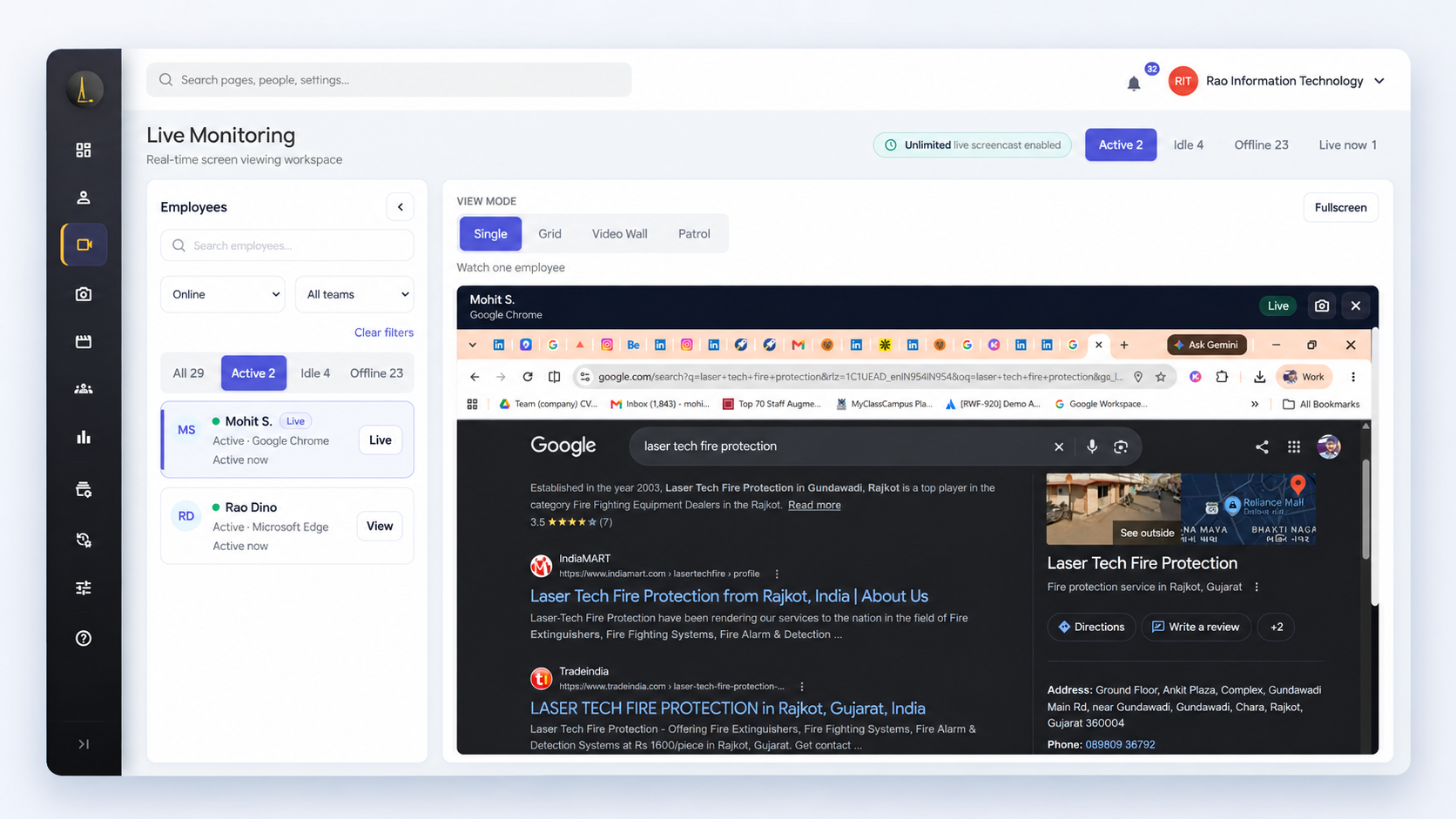
Audit communication channels and collaboration
Analyze time spent across emails, chat clients, and video call platforms. Recognize communication habits to ensure focus time isn't lost to constant messages.
Outcome: optimized meeting schedules and quiet hours