How Workplace Transparency Software Ends Micromanagement: A 2026 Guide
Discover why the right visibility tools build trust, increase productivity, and empower remote teams without the “Big Brother” feel.
Ever felt torn between trusting your team and checking in “just to be sure”? In a remote-first world, the lack of visibility often leads leaders into the “Micromanagement Trap.”
However, there is a better way. By leveraging workplace transparency software, leaders can maintain high-level visibility while giving employees total autonomy. The secret isn’t more meetings; it’s better data. Transparency builds clarity and psychological safety, while micromanagement creates the stress and high turnover that kills growth.
The ROI of Transparency Software
Why You Need Workplace Transparency Software
Traditional micromanagement is manual, it requires constant “status update” emails and Slack pings. Modern transparency software, like SuperSee, automates this process by providing:
- Real-Time Progress Tracking: See what’s being worked on without interrupting the flow of work.
- Objective Performance Metrics: Move away from “hours at desk” and toward “output and impact.”
- Employee Self-Insights: Allow team members to see their own productivity patterns, fostering a culture of self-management rather than top-down control.
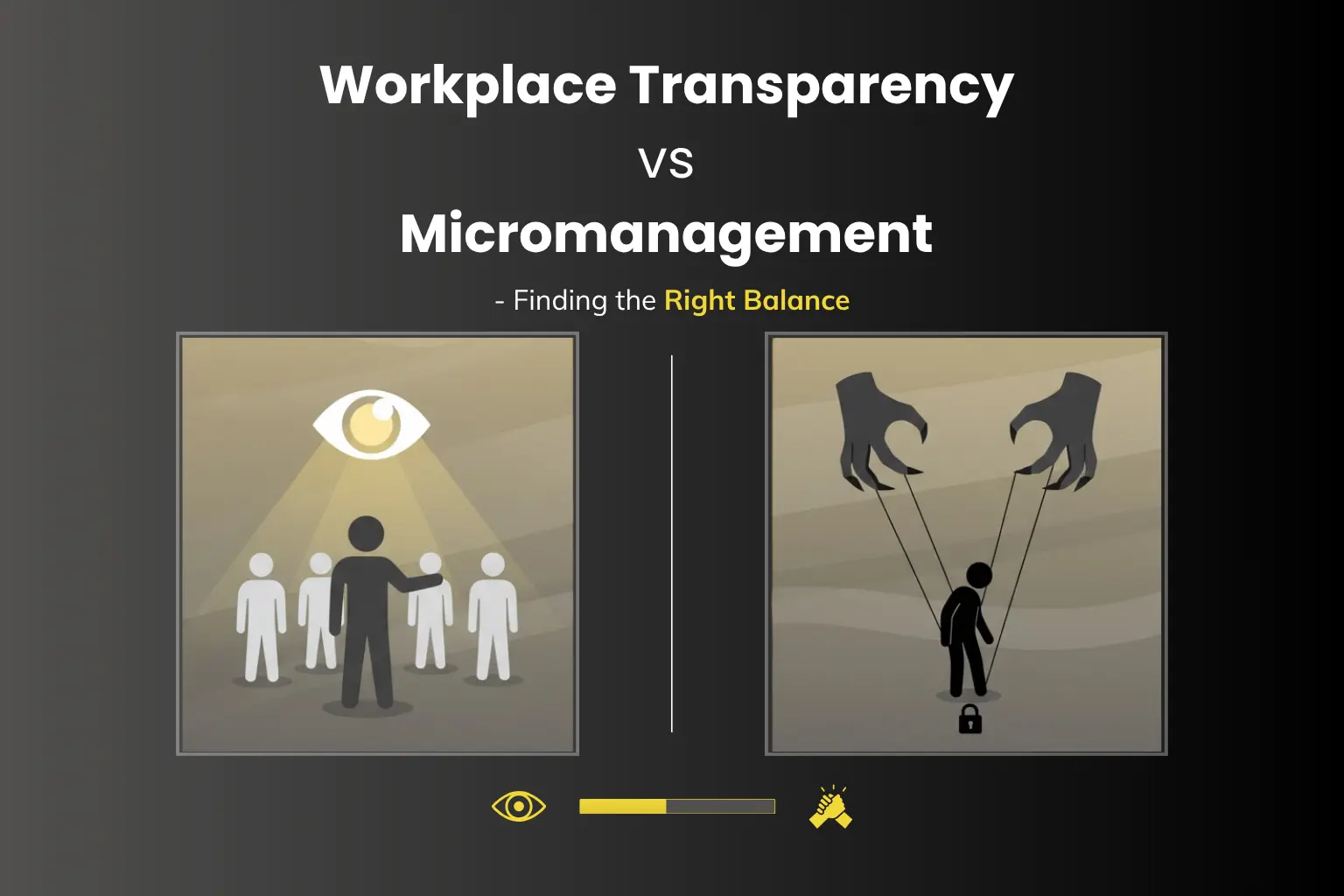
1. The Fine Line Between Transparency and Micromanagement
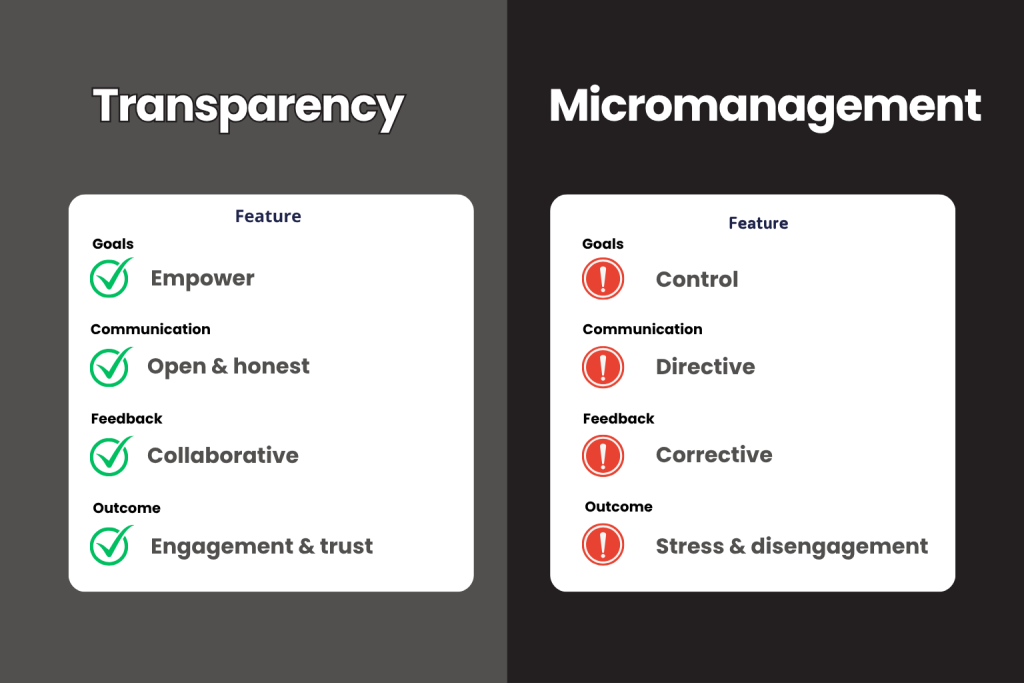
Transparency and micromanagement often look similar, both involve oversight and visibility, but the intent and impact make all the difference.
Transparency Builds Empowerment
- Sets clear expectations and open communication.
- Provides access to information for alignment and trust.
- Empowers employees to make informed decisions.
Micromanagement Creates Resistance
- Focuses on controlling every detail, signaling distrust.
- Reduces confidence and limits innovation.
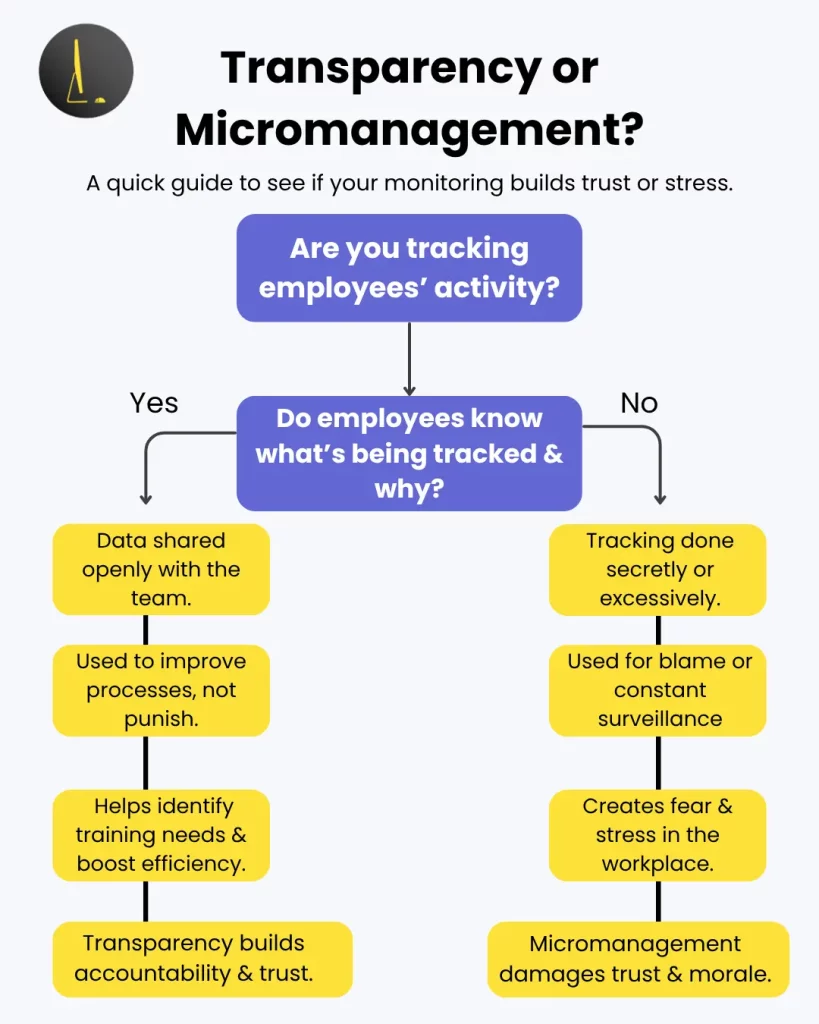
When Visibility Becomes Surveillance
Constantly asking for updates or tracking every click can feel invasive. Employees may comply but lose initiative and morale.
🔗 Employee Monitoring Laws 2025: Compliance & Productivity with SuperSee
2. Why Transparency Builds Trust
Transparency isn’t just a buzzword, it’s a strategic leadership tool that strengthens connection and engagement.
Honest Communication
Frequent, open updates reduce ambiguity and create psychological safety. Employees who understand the “why” behind decisions are more motivated.
Empathy Bridges the Gap
Empathetic leaders recognize workloads, strengths, and challenges, cultivating loyalty and trust.
Impact on Productivity
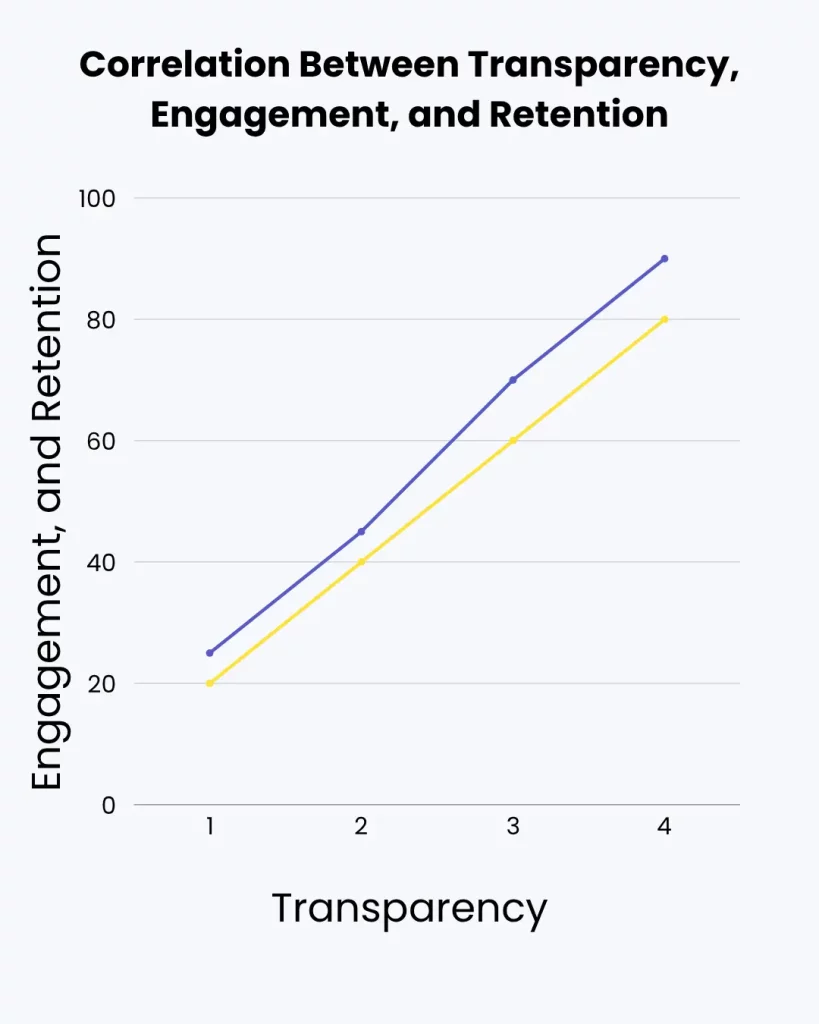
Teams with transparent leadership report:
✅ Higher engagement
✅ Faster collaboration
✅ Lower turnover According to Gallup, organizations that emphasize trust see up to 50% lower attrition.
3. How Micromanagement Kills Productivity
Micromanagement often stems from good intentions, but its psychological cost is steep.
The Emotional Toll
Constant oversight creates stress, leading to burnout and low morale. Employees hesitate to take initiative, fearing mistakes.
It Signals Distrust
Over-supervision makes teams feel undervalued and untrusted, damaging loyalty.
Signs You Might Be Micromanaging
- You require constant progress updates.
- You correct minor, low-impact tasks.
- You struggle to delegate responsibilities.
🔗 Harvard Business Review – The Cost of Micromanagement

4. Using Technology to Scale Trust
Achieving the balance between transparency and autonomy is easier when you have the right tech stack.
From Manual Oversight to Data-Driven Mentoring:
Don’t ask “What did you do today?” Instead, look at your dashboard. Use tools that focus on outcomes rather than activity.
SuperSee: The Ethical Transparency Solution
Unlike invasive “spyware,” SuperSee is designed as a workplace transparency software that respects privacy while providing the visibility leaders need to:
- Identify Burnout: Spot when a top performer is overworking before they quit.
- Eliminate Bottlenecks: See which apps or processes are slowing your team down.
- Promote Fairness: Use data to reward the quiet high-achievers who usually get overlooked.
Implement goal-based monitoring instead of constant oversight.
🔗 Ecom Skippers Case Study – Balancing Transparency with SuperSee
5. How Empathy Shapes Modern Leadership
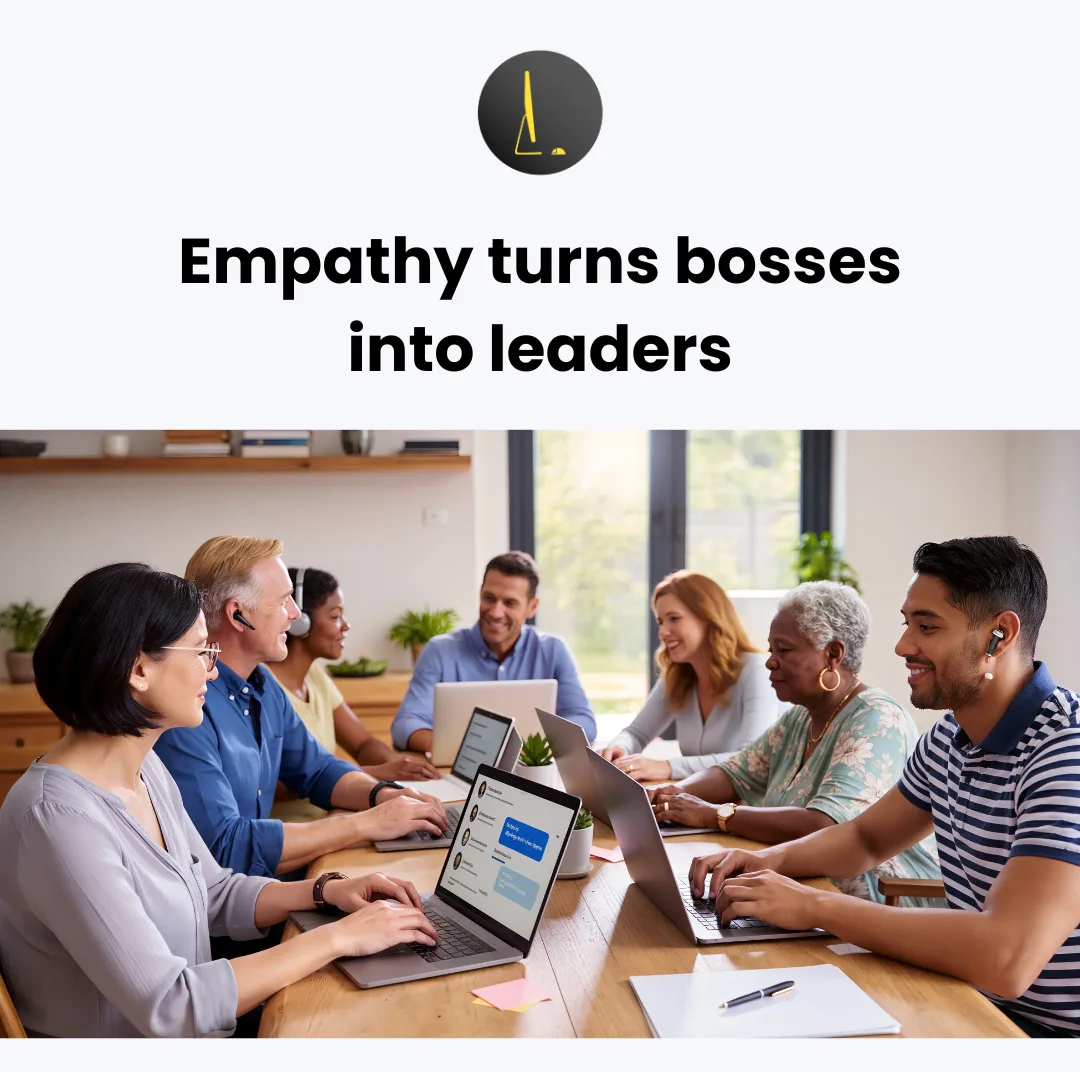
Empathy transforms management from directive to collaborative.
Leaders who lead with empathy:
- Foster loyalty and emotional safety
- Drive stronger team performance
- Reduce communication friction
Tip: Lead with questions, listen actively, and guide, don’t dictate. Your team will feel supported, not watched.
Frequently Asked Questions (FAQs)
Transparency promotes clarity and trust by sharing information and setting expectations. Micromanagement involves over-control, reducing employee autonomy and creativity.
Set measurable goals, use ethical monitoring tools like SuperSee, and share only necessary insights to ensure fairness and respect.
Teams that trust their leaders demonstrate higher engagement, better collaboration, and lower turnover because they feel valued and empowered.
Platforms like SuperSee help track productivity, app usage, and time analytics transparently, ensuring compliance with GDPR and DPDP standards.
Yes. According to recent studies, employees stay 30% longer at companies where they feel they have clear KPIs and autonomous trust, both of which are facilitated by transparency tools.
At a Glance: Micromanagement vs. Workplace Transparency Software
| Feature | Micromanagement Approach | Transparency Software Approach |
|---|---|---|
| Visibility | Constant “Checking-in” pings | On-demand dashboard access |
| Trust Factor | Signifies distrust & suspicion | Signifies alignment & support |
| Feedback | Reactive (after a mistake) | Proactive (based on data trends) |
| Employee Feel | “I am being watched” | “I am being supported” |
Conclusion
Transparency empowers. Micromanagement controls.
The difference lies in intent, empathy, and execution.
By leading with understanding and using tools that respect privacy, leaders can:
✅ Build lasting trust
✅ Improve engagement
✅ Retain top talent
Your team performs best when they feel seen, not watched.
Ready to replace micromanagement with meaningful data?
Start your free 14-day trial with SuperSee and see why it’s the leading workplace transparency software for modern, high-growth teams.
Trust your team, guide with empathy, and lead with transparency.
Harvard Business Review — ‘The Neuroscience of Trust,’ Paul J. Zak, 2017